


Food Steward: AI-Driven Household Food Management and Nutrition System


Abstract
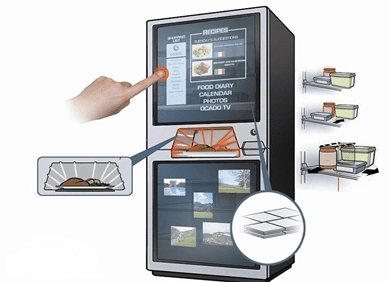
With accelerating urbanization and changes in household structures, food waste and nutritional imbalance at the household level have become increasingly serious global challenges. This paper proposes the design of a Food Steward system based on artificial intelligence and big data technologies. By enabling full lifecycle food management, intelligent consumption reminders, and personalized nutrition planning, the Food Steward system aims to reduce food waste, optimize household dietary structures, and improve overall health outcomes. The study demonstrates that Food Steward solutions offer significant social value and strong application potential within smart home ecosystems and digital health industries.
1. Background and Problem Statement
According to data from the Food and Agriculture Organization of the United Nations (FAO), approximately one-third of all food produced globally is wasted, with households representing one of the most complex yet impactful stages of food loss. Common challenges in household food management include:
Lack of systematic food inventory tracking after purchase
Forgotten expiration dates leading to spoilage
Diet planning based on experience rather than scientific data
Inability to address diverse health needs among family members
In response to these challenges, the Food Steward concept emerges as an intelligent, data-driven solution designed specifically for household environments.
2. Definition and Design Philosophy of Food Steward Systems
2.1 Concept Definition
A Food Steward is an intelligent household food management and nutrition decision system that integrates AI and data analytics to support:
Digital registration and tracking of purchased food
Intelligent expiration and consumption reminders
Personalized recipe recommendations based on health conditions
AI-driven nutritional analysis and optimization
Unlike traditional food tracking applications, the Food Steward emphasizes closed-loop management from purchase to consumption.
2.2 Core Design Principles
Low-Interaction Burden: Minimize manual input for users
Waste-Reduction Priority: Prioritize foods nearing expiration
Health-Oriented Decisions: Focus on long-term nutritional balance
Data-Driven Evolution: Continuously improve through user behavior data
3. Food Purchase Registration and Digital Inventory Management
Food purchase registration represents the entry point of the Food Steward system. Multiple intelligent input methods are supported, including:
Barcode and QR code scanning
AI-based food image recognition
Optical character recognition (OCR) of shopping receipts
Automatic synchronization with e-commerce platforms
Each food item is assigned a digital profile containing category, purchase date, estimated expiration date, recommended storage conditions, and basic nutritional information, forming a comprehensive household food database.
4. Food Usage Monitoring and Waste Prevention Mechanisms
4.1 Tiered Expiration Reminder Strategy
Rather than providing simple expiration alerts, the Food Steward system delivers actionable guidance through tiered reminders:
Pre-expiration alerts: Recommend priority ingredients for use
Urgent consumption notices: Automatically generate suitable recipes
Post-expiration warnings: Offer safety and disposal recommendations
This approach transforms reminders into practical decision support.
4.2 Ingredient Priority Algorithm
The system calculates food usage priority based on multiple weighted factors, including:
Remaining shelf life
Compatibility with household members’ health profiles
Nutritional value
Historical waste probability
This algorithm is a key component enabling proactive food management within the Food Steward system.
5. Household Health Profiles and Nutrition Modeling
The Food Steward supports long-term health profiles for each household member, including age, physical indicators, special physiological conditions, and dietary restrictions. Based on these profiles and authoritative nutrition databases, AI models dynamically assess:
Daily energy requirements
Macronutrient distribution
Potential micronutrient deficiencies
This framework enables a transition from experience-based eating habits to data-driven nutrition management.
6. AI-Based Recipe and Nutrition Plan Generation
6.1 Recipe Generation Logic
Recipe recommendations within the Food Steward system are dynamically generated based on:
Current household food inventory
Ingredients nearing expiration
Health requirements of household members
User preferences for cooking time and complexity
AI reasoning ensures that recommended meals are both practical and nutritionally appropriate.
6.2 Long-Term Nutrition Planning
The system can generate weekly or monthly nutrition plans, presenting visualized insights into nutritional balance, caloric distribution, and food waste trends. This functionality supports the development of sustainable and healthy dietary habits.
7. AI Big Data Architecture and Self-Learning Capabilities
As usage data accumulates, the Food Steward system continuously learns from household behaviors, including ingredient consumption rates, recipe adoption, and waste patterns. Through machine learning models, the system enables:
Optimized food purchasing recommendations
Personalized dietary preference modeling
Seasonal and regional dietary trend analysis
These capabilities ensure long-term adaptability and value growth.
8. Application Prospects and Social Value
From a societal perspective, the Food Steward system contributes to:
Reduction of household food waste
Improvement of nutritional equity and health outcomes
Support for sustainable urban development goals
From an industry standpoint, Food Steward solutions can extend into smart homes, digital health platforms, community nutrition programs, and elderly care services, demonstrating strong commercial potential.
9. Conclusion
The Food Steward represents more than a household application; it is a data-driven paradigm for modern dietary management.
By integrating food, health, and behavioral data into a unified AI-powered system, the Food Steward offers a scalable, sustainable solution for improving household nutrition and reducing food waste, positioning itself as a key component of future intelligent living environments.